

TMJ Treatment in Westfield, IN

Jaw pain. Headaches. Clicking or popping when you chew. Facial tension that never seems to go away. If these symptoms sound familiar, you may be dealing with a TMJ disorder—and you’re not alone.
If you’re looking for answers in the realm of jaw discomfort, read on in this post to get a better idea of some factors that can contribute to jaw pain, stepwise treatment recommendations, and things to watch out for.
What Is TMJ and TMD?
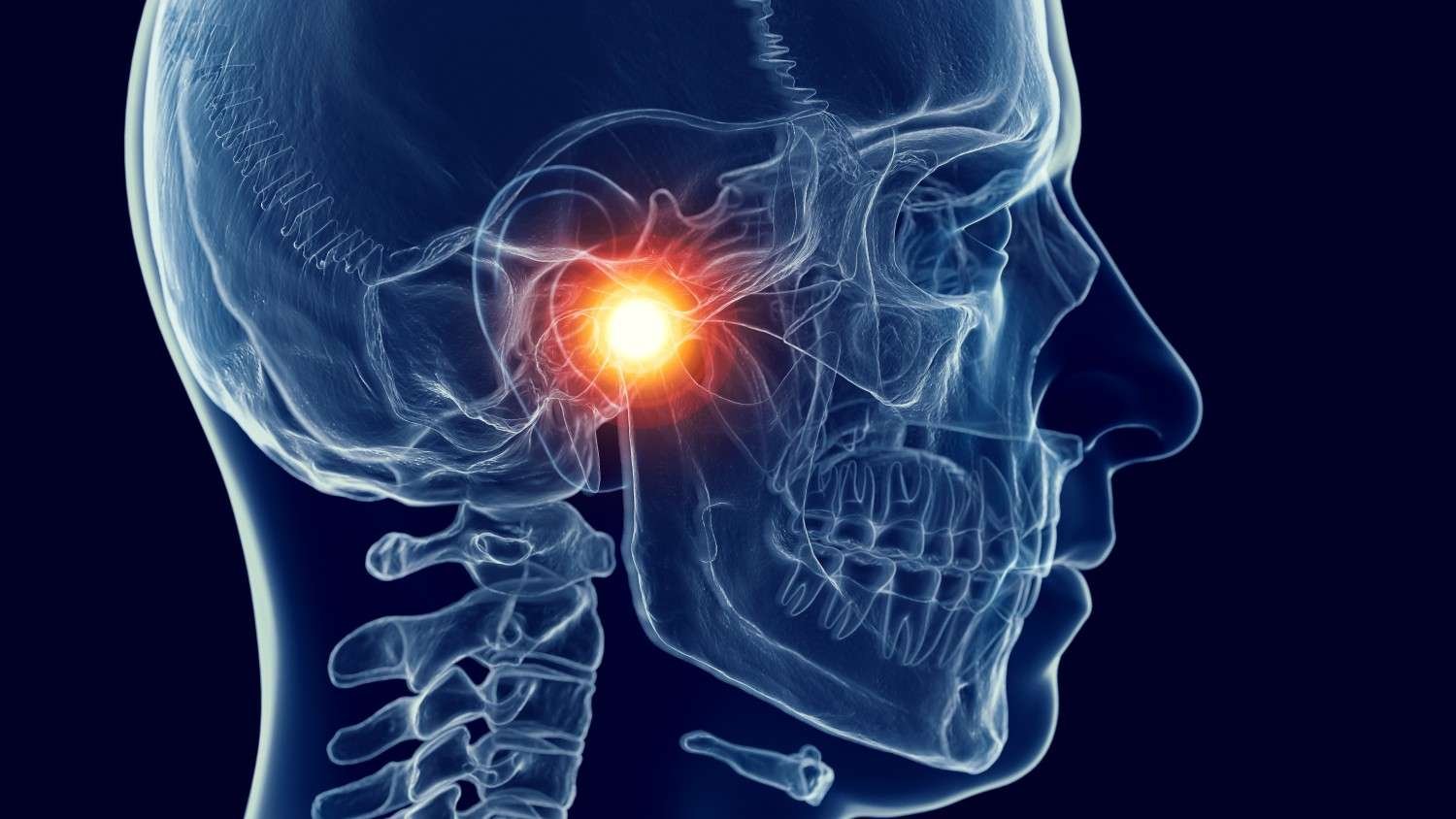
TMJ is an acronym that actually simply stands for the temporomandibular joint (TMJ) itself, the complex hinge joint that connects your lower jaw to your skull. You have one on each side of your face, and they work together every time you speak, chew, yawn, or smile.
When this joint—or the muscles surrounding it—are not functioning properly, or are overworked, it can lead to TMJ disorders (TMD). These conditions vary widely in severity, but even mild symptoms can significantly impact daily comfort and quality of life. (So, “TMJ” just refers to the joint itself, and “TMD” refers to disorders of the joint…so saying “I have TMJ” is true for everyone, regardless if you’re in pain or not—in fact, everyone has two! ;)
Common TMJ symptoms include:
● Jaw pain or tenderness
● Clicking, popping, or grinding sounds when opening or closing the mouth
● Headaches or migraines
● Facial pain or pressure
● Neck and shoulder tension
● Difficulty opening the mouth fully
● Ear pain or ringing (without infection)
● Chewing muscle tenderness or pain (masseter and temporalis)
What Causes TMJ Disorders?
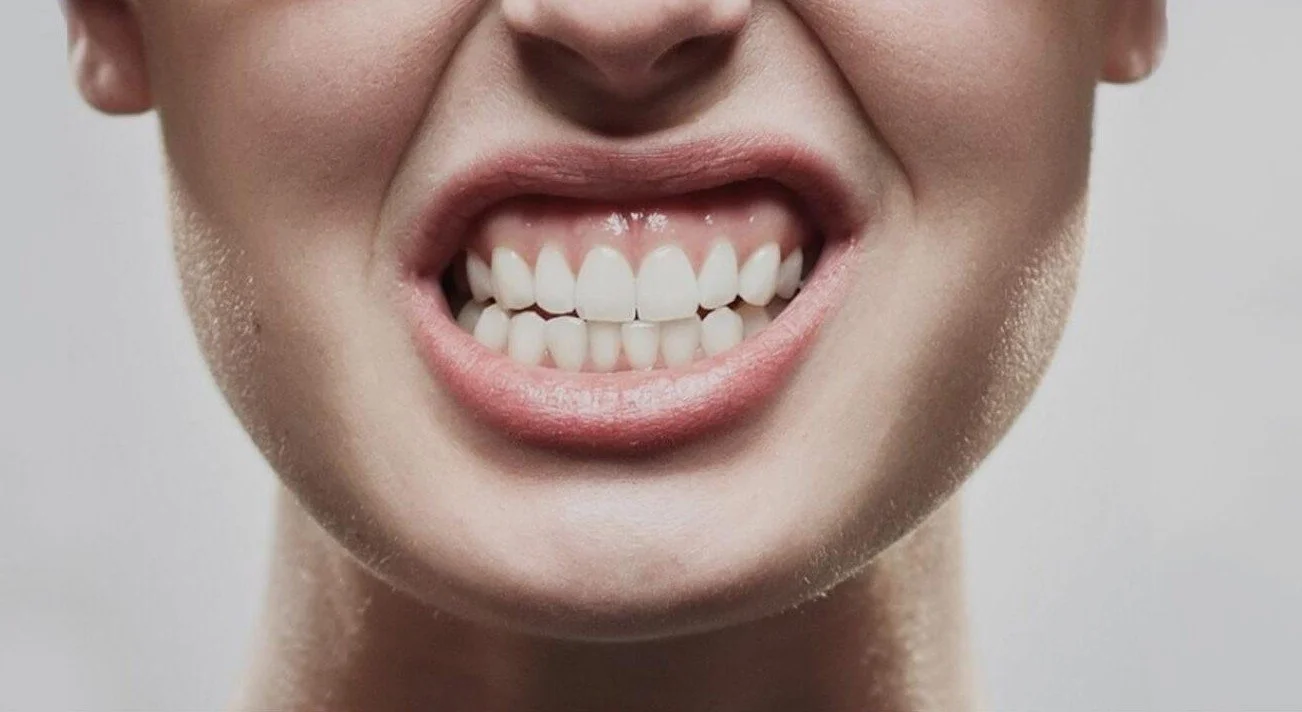
TMJ disorders rarely have a single cause. More often, they develop from a combination of factors that place stress on the jaw joint and muscles.
Common causes of TMJ issues include:
● Bite misalignment (malocclusion)
● Teeth grinding or clenching (bruxism)
● Jaw or facial trauma
● Chronic stress and muscle tension
● Poor posture affecting head and neck alignment
● Arthritis or joint degeneration
● Neurological issues that can sometimes manifest as jaw pain
● Other systemic conditions/sydromes

As orthodontists, we pay close attention to how your teeth, jaw joints, and facial muscles work together. Getting your bite fitting together properly and ensuring that the bite is in harmony with your jaw joints and muscles can only help in the pursuit of eliminating any negative effect of the teeth/bite on the jaw. This is often a great first step in progressing toward a healthy TMJ. As Dr. Yajun Cui, a dedicated orthodontist in Arlington, MA, explains, when the bite and joints work in sync, the jaw can move in a smooth path, which lowers strain on the muscles and joints.
However, as you can see from the list above, teeth are just one part of the equation…things like stress (who doesn’t have stress from time to time??), muscular tension/imbalance, and general neruological issues can all be a part of the equation contributing to jaw discomfort.
So sometimes people with crazy bites can have no TMJ symptoms at all, whereas other people with perfect bites can sometimes have jaw discomfort…the bite is an important piece of the puzzle, but not the only piece!
Why See an Orthodontist for TMJ Treatment?
While TMJ symptoms may feel muscular or joint-related, the underlying issue is sometimes tied to how your teeth fit together. Simply put, an imbalanced bite can force the jaw into an unnatural position, overworking muscles and straining the TMJ.
By putting the bite into proper harmony with the jaw joint, stresses from the occlusion/bite can be reduced or eliminated.
Our approach to TMJ treatment in Westfield, IN focuses on:
● Comprehensive evaluation: Identifying bite-related causes of jaw stress
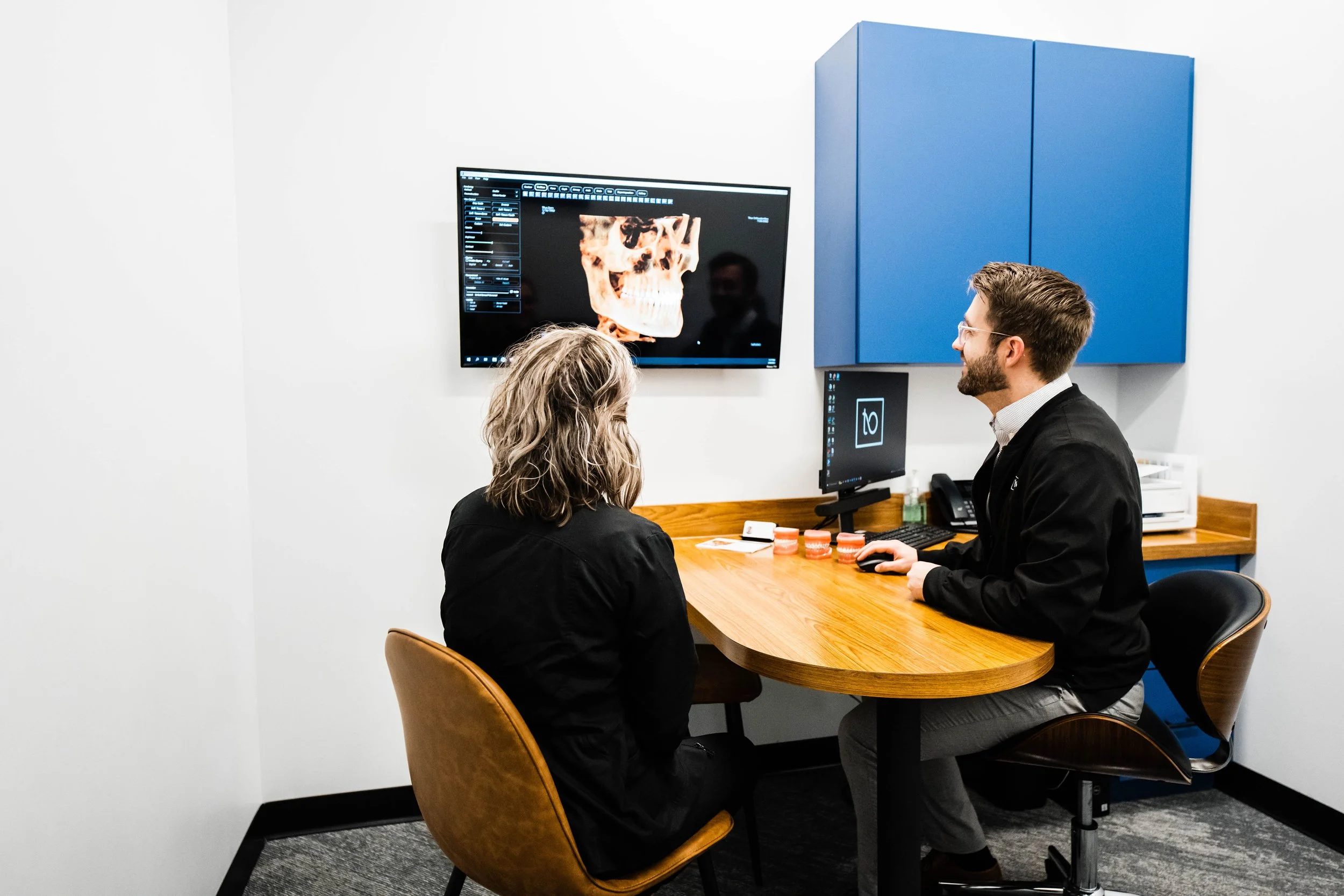
● Thorough discussion of symptoms and the unique nature of the discomfort
● Identifying possible treatment routes:
○ Lifestyle guidance and behavioral/habit modifications
○ Reducing muscle strain and inflammation
○ Improving jaw alignment and function
● Creating long-term stability—not temporary relief
Unlike one-size-fits-all solutions, our care is customized to each patient, guided by careful diagnostics and a deep understanding of facial esthetics and function.
(Image suggestion: Orthodontist evaluating jaw alignment or digital bite scan)
Our Personalized Approach to TMJ Treatment
We pride ourselves on personal, intentional patient care. TMJ disorders are complex, and successful treatment begins with listening—really listening—to your symptoms, concerns, and goals.
At our private orthodontic practice, we have a high focus on both esthetics and function—we want to create a result that leaves your smile perfect and your bite comfortable and functional. We understand that with TMJ symptoms, though, many times the patient just wants to get out of pain…we get that. With our TMJ treatment approach in Westfield, IN, we work through options with you to develop a plan together that is thoughtful, personalized, and results-driven. Our ultimate goal, beyond just reducing the pain, is to restore balance to your bite, function to your jaw, and confidence in your smile.
Comprehensive TMJ Evaluation
Your TMJ consultation may include:
● A detailed health and symptom history
● Evaluation of jaw movement and joint sounds
● Bite analysis and occlusal assessment
● Digital imaging or scans when indicated
● Muscle and facial symmetry evaluation
This comprehensive approach allows us to pinpoint the true cause of your discomfort and design a treatment plan that makes sense for you.
TMJ Treatment Options
Every patient’s TMJ condition is different. We always explore options for getting you comfortable, starting with the most basic (and free) options first, and only progressing toward further treatment as needed.
Muscle and Lifestyle Guidance
TMJ care starts here at the most basic level, It does NOT start with expensive appliances, night guards, or splits. We want to rule out the most basic lifestyle We guide patients on:
● Stress reduction and jaw relaxation techniques
● Proper posture and ergonomics
● Avoiding habits that can worsen TMJ symptoms (chiewing gum, overusing muscles)
● At-home exercises to support healing
The best part—these are free! They may seem like common sense places to start, but if we can get relief with these basic modifications, then that is by far the best route! Our goal is to empower patients with lifestyle tools that support lasting relief.
Custom TMJ Splints or Orthotic Appliances
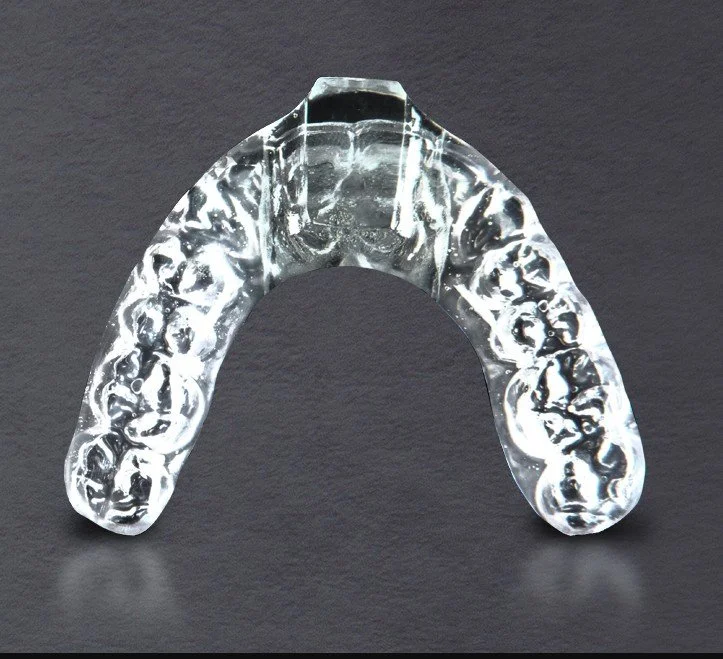
If at-home palliative care and lifestyle changes didn’t fully take care of the issue, then a custom-made TMJ splint (also called a bite guard or orthotic) can:
● Reduce pressure on the jaw joints
● Relax overactive jaw muscles
● Prevent clenching and grinding
● Guide the jaw into a healthier position
Unlike over-the-counter or do-it-yourself guards, our appliances are precisely designed for your bite and jaw anatomy.
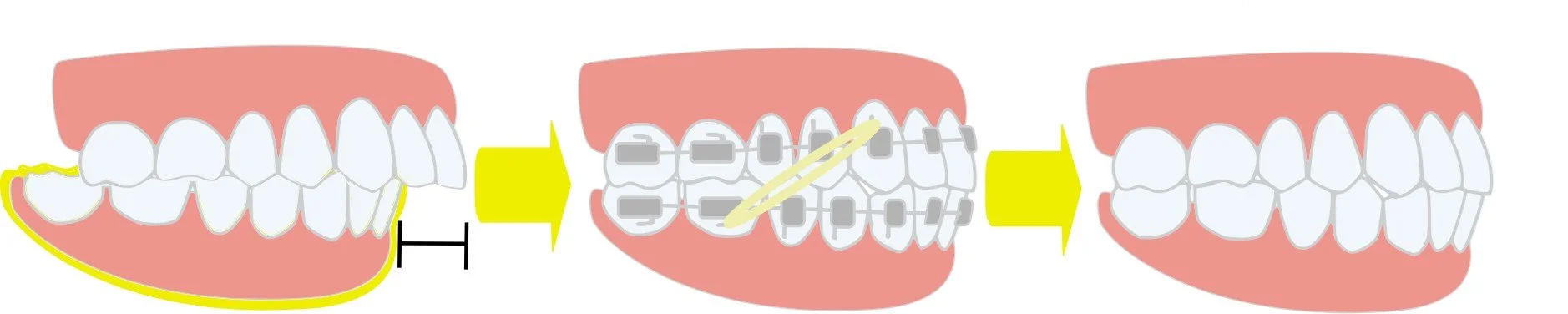
Orthodontic Treatment for Bite Correction
Splint therapy described above can often help get a patient out of chronic pain and into a comfortable state, but can be thought of more as a “crutch” and not a forever solution. Long-term relief often involves correcting the bite itself. Orthodontic treatment can:
● Align teeth for even contact, allowing teeth to work together instead of fighting each other
● Improve jaw positioning
● Reduce strain on the TMJ
● Enhance facial balance and smile esthetics
Whether through braces or clear aligners, orthodontic care can be a powerful solution for patients whose TMJ symptoms stem from malocclusion.
When Should You Schedule a TMJ Consultation?
If you experience persistent jaw pain, headaches, clicking, or facial tension, and it hasn’t improved in months (or maybe even gotten worse), it may be time to seek professional evaluation. TMJ symptoms can sometimes resolve on their own, especially if you try the at-home lifestyle modification suggestions we mentioned above. But if they persist for a long period of time, we can certainly help.
A consultation allows us to determine whether TMJ treatment, orthodontic care, or a combination approach is right for you.
TMJ Treatment FAQs
What is TMJ disorder?
TMJ disorder (TMD) refers to dysfunction of the temporomandibular joint (TMJ), which connects the jaw to the skull. It can involve the joint itself, the surrounding muscles, or both, and often leads to jaw pain, clicking, headaches, or difficulty chewing.
What are the most common symptoms of TMJ?
Common TMJ symptoms include jaw pain or tenderness, popping or clicking sounds, frequent headaches, facial pain, neck or shoulder tension, limited mouth opening, and ear pain without infection.
What causes TMJ problems?
TMJ disorders are often caused by a combination of factors, including bite misalignment, teeth grinding (bruxism), jaw injury, chronic stress, poor posture, or arthritis in the jaw joint.
Can an orthodontist treat TMJ disorders?
Yes. An orthodontist trained in TMJ treatment can evaluate how bite alignment and jaw position contribute to symptoms. Correcting bite issues or guiding the jaw into a healthier position can significantly reduce TMJ pain and dysfunction.
What is the best treatment for TMJ pain?
The best TMJ treatment depends on the cause of the disorder. Many patients find relief through non-surgical treatments such as custom TMJ splints, bite correction, orthodontic treatment, and muscle relaxation strategies.
Are TMJ splints effective?
Custom-made TMJ splints are highly effective for many patients. They help reduce pressure on the jaw joints, relax overworked muscles, prevent grinding, and guide the jaw into a more stable position.
Can orthodontic treatment fix TMJ issues?
In cases where TMJ symptoms are caused by bite imbalance, orthodontic treatment can provide long-term relief by aligning the teeth and improving jaw function.
Is TMJ treatment painful?
Most TMJ treatments are non-invasive and comfortable. Patients often experience symptom relief within weeks of starting care, especially with splint therapy or bite adjustments.
How long does TMJ treatment take?
TMJ treatment timelines vary. Some patients experience improvement within weeks, while others—especially those requiring orthodontic correction—may need several months for optimal results.
When should I see a TMJ specialist?
You should schedule a TMJ evaluation if jaw pain, headaches, clicking, or facial tension persist for more than a few weeks or interfere with daily life. Early treatment often prevents symptoms from worsening.
