

Overbite vs. Underbite in Westfield, IN
What you need to know to protect your smile — and love how you look and feel.
If you or your child has been told you have an overbite, an underbite, or you’re just noticing something “off” about the bite, you probably have questions: What is the difference? What causes each? In our practice here in Westfield, Indiana, we believe in high-touch, artistic, personal care, and we want you to feel confident about your options. Below is your guide to understanding overbites vs. underbites so you can make informed decisions and take the first step toward the smile you deserve.
What Are Overbites and Underbites?
Both overbites and underbites are forms of malocclusion — which simply means misalignment of the teeth and jaws so that the upper and lower teeth do not fit together properly.
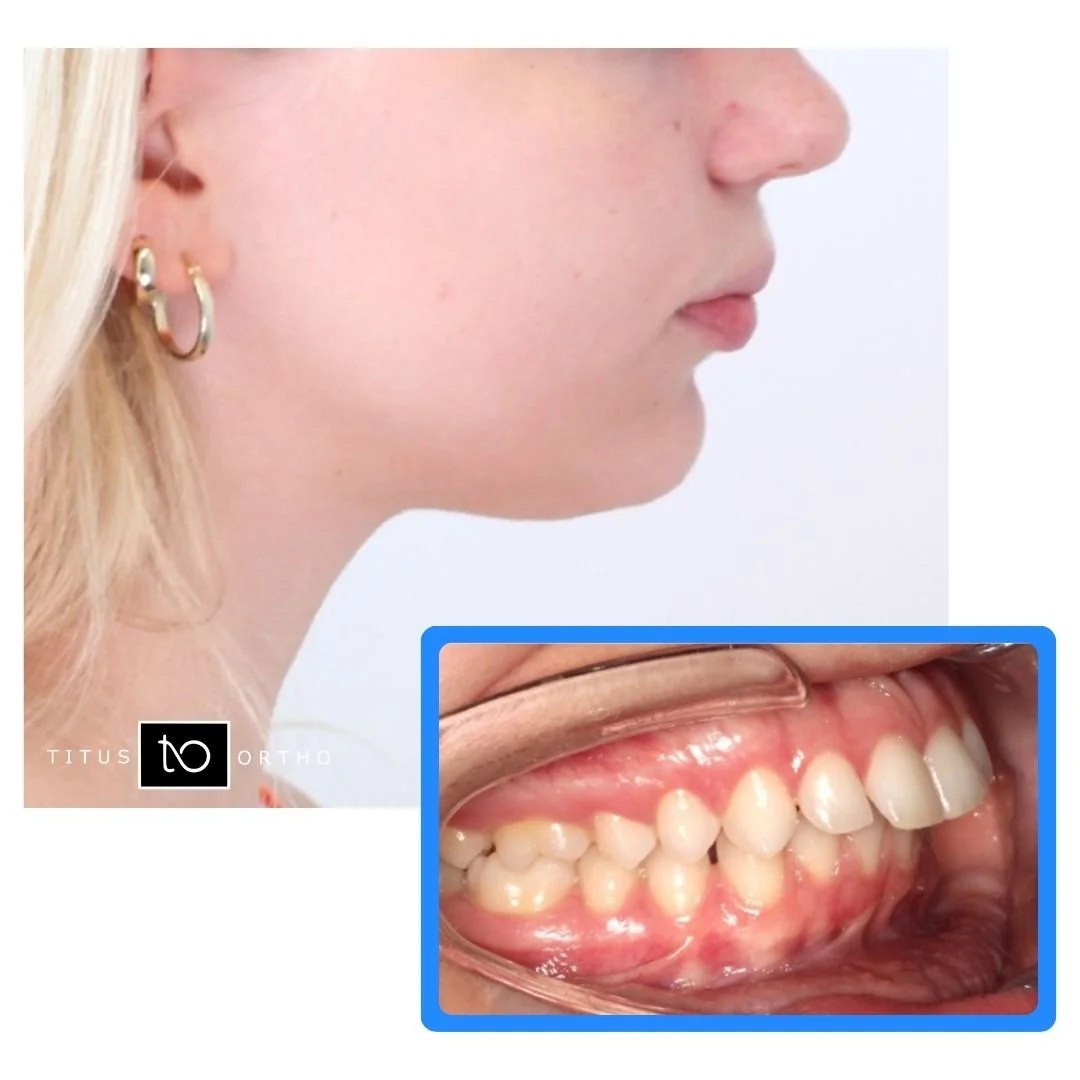
Overbite: This is when the upper front teeth stick out too far in front of their lower front teeth. A small amount of overlap is natural; it becomes a problem when the overlap is excessive. For a more detailed explanation specifically about overbites and their treatment, see our previous blog post here.
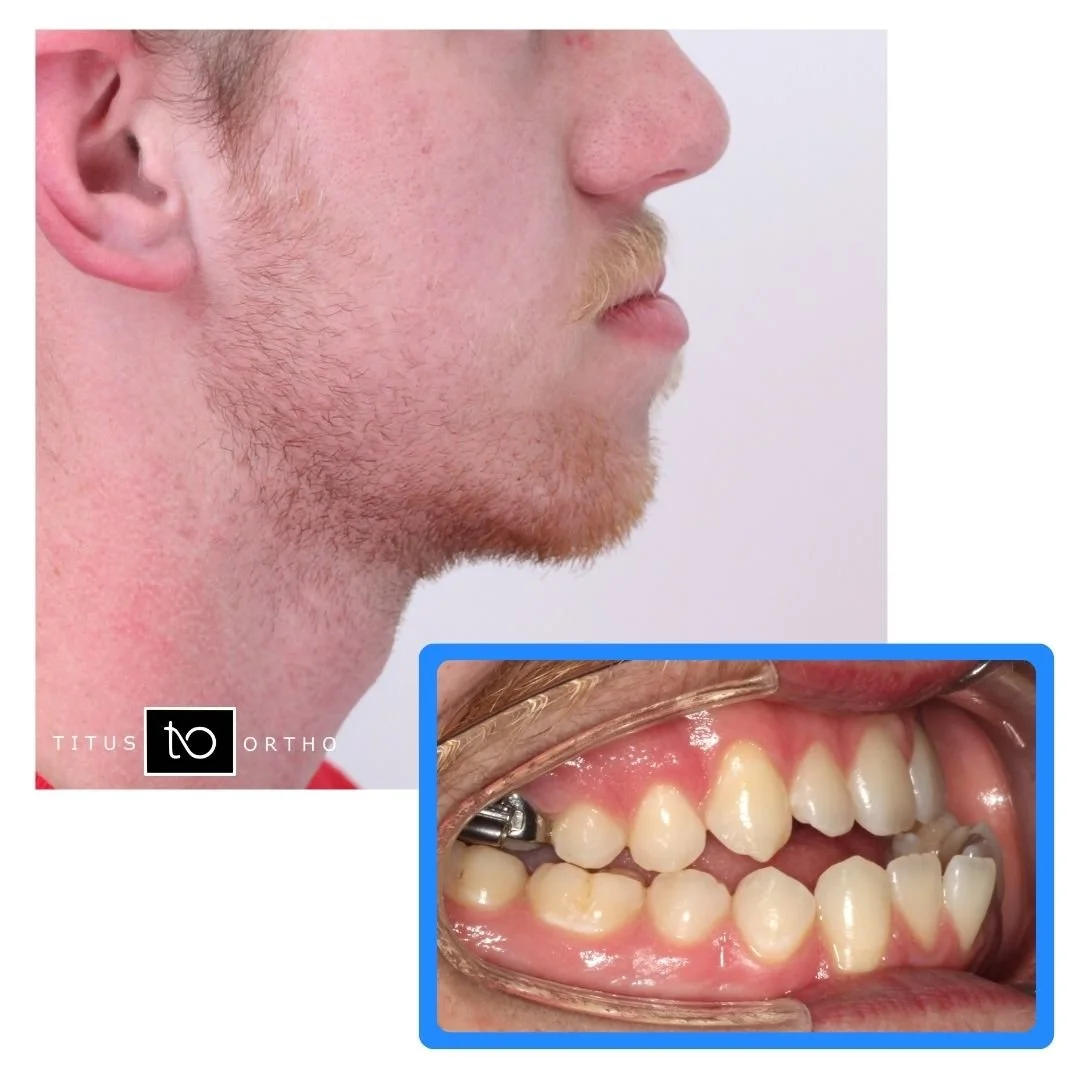
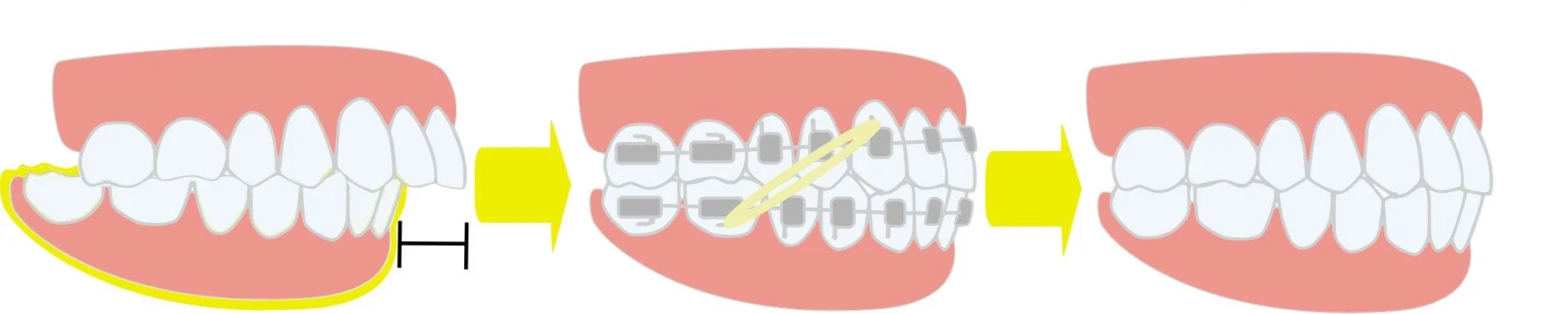
Underbite: This is essentially the opposite: the lower front teeth and jaw protrude forward, so the lower teeth sit in front of the upper teeth. (Think: classic bulldog bite”) In some cases, the lower jaw itself is more forward (skeletal component).
They differ in how the jaws and teeth interact, how they affect appearance, and how early (or late) you treat them.
What Causes Them?
There are several causes; often it’s a mix of genetic, environmental, and behavioral factors. But they can all be categorized in these two broad groups: skeletal problems and dental problems.
Skeletal problems:
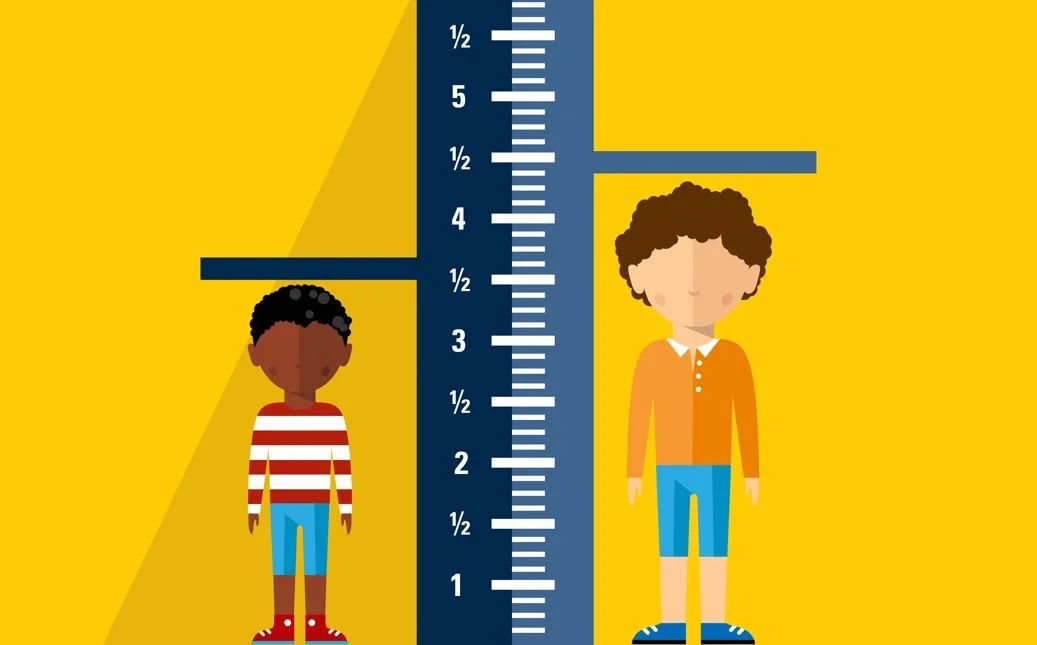
Growth/Development Mismatch: Mostly genetic, but the jaw bones themselves grow at different rates (upper vs lower jaw), which can cause an overbite or underbite. Things like sleep and airway contribute to this as well.
Genetics: bone/jaw size and shape are largely inherited. If parents had certain skeletal growth patterns, there’s a greater chance their children have the same ones too.
History of trauma/conditions: accidents happen, and sometimes if the jaw is affected early in growth it can affect how things grow proportionately down the road.
Dental problems:

Childhood habits: thumb-sucking, prolonged pacifier use, tongue thrusting, and bottle feeding habits that continue long past infancy can influence jaw growth or teeth.
Dental issues: early loss of baby teeth, excessively crowded or spaced teeth, or missing teeth can lead to shifting that contributes to overbite or underbite.
Other factors: injury or trauma to jaw, or habits like teeth grinding (bruxism) can worsen or contribute to bite misalignment.
What Problems Can Overbites and Underbites Cause?
Even beyond how they look, untreated overbites or underbites can lead to real problems with dental health, function, and esthetics.
Tooth wear & damage: With both an overbite and underbite, the back teeth typically are taking most (if not all) of the forces of normal function and chewing, instead of spreading the impact evenly throughout all the teeth working together. This can lead to long-term issues with teeth wearing down or needing costly restorations from repeated stress.
Jaw & joint (TMJ) pain: We want all the teeth to hit perfectly when the jaw joint is in its fully seated, comfortable position. When the bite doesn’t match up with the jaw, this can lead to subconsciously having the jaw compensate for the bite mismatch, which can lead to TMJ pain over time.
Chewing/speech function: Overbites or underbites can negatively affect chewing function, and can have an impact on normal speech as well.
Esthetics/confidence/self-esteem: Balanced skeletal patterns and a balanced bite leads to balanced esthetics as well. When one jaw is out of wack, this has esthetic consequences as well, for example a “chin that is too far back” or “jaw that is too far forward.” According to Dr. Natalia Hodge, a board-certified orthodontist in Little Rock, AR, visible jaw imbalances often lead to self-esteem challenges, especially in social or professional settings.
Oral health & hygiene: Properly balanced bites and jaw patterns allow for all things to work together, and help to keep teeth protected and lasting a lifetime. Also, untreated issues may affect breathing (in some cases sleep apnea), especially if jaw position or airway space is significantly impacted.
How Are Overbites vs. Underbites Treated?
At our orthodontic practice in Westfield, IN, we customize the approach to each patient. There are no cookie-cutter approaches here, and we’re committed to helping you achieve your very best result. Here are common treatment paths:
Early / Preventive Treatment (Kids)
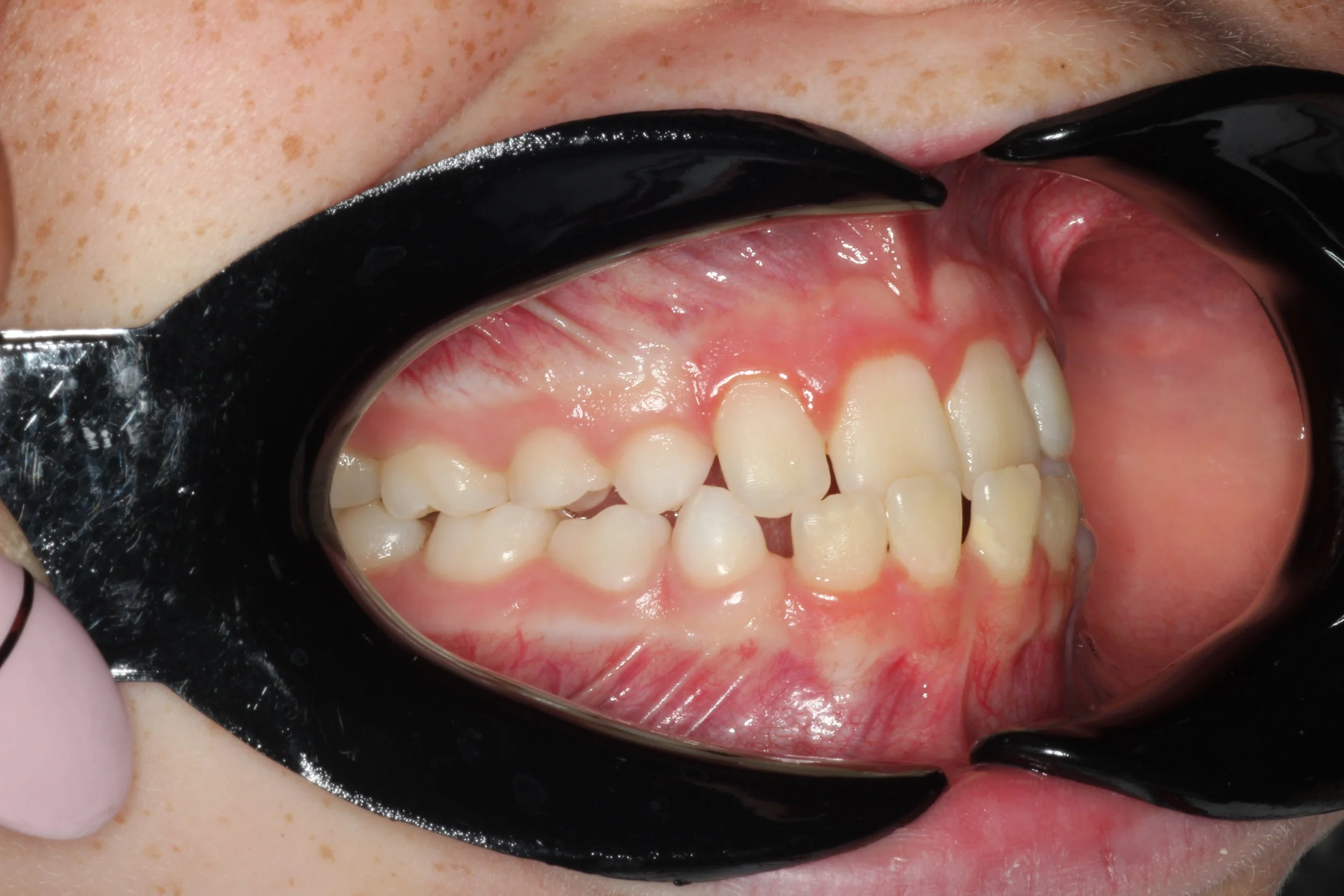
Interceptive orthodontics: this refers to orthodontic treatment in the mixed dentition (meaning the patient still has baby teeth left), between the ages of 7 and 10. Particularly for kiddos with underbite, this early treatment can mean the difference between being able to treat the patient without surgery vs having to undergo surgical intervention as an adult/late teen. It’s crucial to treat during this formative growth phase if there is an underbite at play
Timing for treating an overbite is different…this is best treated during the adolescent growth spurt
Orthodontic Growth Appliances (Adolescents and Teens)
Growth modification appliances are crucial during this growth phase between the ages of 11-14, particularly for correcting moderate to severe overbites. If we miss this growth window, it’s possible that the only other option to get full correction would be to pursue surgery as an adult.
Braces or clear aligners, together with elastics, can help correct to an ideal bite for more mild to moderate overbites and underbites.
Orthodontic treatment (Teens and Adults)
For mild to moderate overbites and underbites, even for adults, braces or clear aligners together with elastics can help correct to an ideal bite.
For more difficult treatments, at our practice in Westfield, Indiana, we utilize newer technology and techniques that can help achieve difficult movements without having to pursue surgery.
Severe or Skeletal Cases
We can only move the teeth so far without jeopardizing their health and stability…Orthognathic surgery (jaw surgery) may be the most ideal option for more severe bite corrections. Braces or aligners are always a part of a combined plan with the oral surgeon to ensure teeth align properly after jaw repositioning
*But don’t worry! Things aren’t the same as they used to be with regard to surgical treatment…technology and precision are so advanced these days to achieve the most accurate outcomes with the most streamlined recoveries.
Why Early Consultation in Westfield, IN Matters
We highlighted above that there are certain growth windows that are crucial to take advantage of with orthodontic treatment if you or your kiddo has an overbite or underbite. We encourage scheduling a free consultation at the age of 7 or 8, and here’s why:

Growth timing: for certain growth corrections, we absolutely need to treat within a particular time/growth window to have successful treatment. Missing these windows may mean we can no longer make these corrections without more costly/invasive treatments or surgeries down the road.
Avoiding more complex or invasive treatments later.
Preventing secondary issues: TMJ pain, abnormal wear of teeth, bite-related headaches, speech problems, difficulties chewing, or even self‐confidence issues.
More predictable outcomes: when bite and jaw alignment are addressed in the proper timeframe, the final smile is more harmonious.
Do we always need to start treatment early? No! But monitoring these things early can mean we catch things before they’re too late to be addressed.
In Westfield, IN, our family-friendly practice offers a warm, supportive environment for both children and adults. Our consultations are always free! We take our time to explain your diagnosis, show you options (with technology like digital 3D imaging, photographs, etc.), and ensure you feel comfortable with your treatment.
Why Choose Our Orthodontic Practice in Westfield, IN


Because we believe you deserve more than just “aligned teeth.” Here’s what sets us apart:
Artistic, aesthetic focus — we aim for smiles that look natural, beautiful, balanced with your face.
Results-driven orthodontics — we want you not only to feel good about how your smile looks, but how it functions for years to come.
High-touch, personal care — you are not a number, we want your journey to be as personal as the unique smile you’ll wear for the rest of your life!
Family-friendly environment — we treat kids, teens, adults, grandmas and grandpas too!
Latest technology & techniques — digital imaging, modern self-ligating braces, clear aligner options, surgical collaboration when needed.
Community commitment — serving Westfield, IN, where we live and raise our own family, treating you like one of our own!
Frequently Asked Questions (FAQs)
Q: At what age should someone get evaluated for overbite or underbite?
A: The American Association of Orthodontists recommends by age 7 for an initial check-up, though treatment might not start until later. But any age is okay if you have concerns. Childhood gives more flexibility, but adults benefit too.
Q: Can clear aligners fix an underbite or overbite?
A: Yes — in many mild to moderate cases, clear aligners (like Invisalign) are effective. In more severe skeletal cases, they may be used in combination with braces or surgery. Compliance matters, and most importantly, the doctor you choose matters!.
Q: Is surgery always required for severe underbite?
A: Not always, but sometimes. If the misalignment is mainly skeletal (jaw bones off), surgery may be needed. If mostly dental (teeth position), orthodontics alone may suffice. Your orthodontist will assess and give you your options!.
Q: Will insurance cover this?
A: It depends. Many dental/orthodontic insurance plans cover some orthodontic treatment, especially for children. But coverage varies. We help patients understand their options and work on financing and payment plans.
Final Thoughts
Overbite vs underbite — they might sound similar, but each has distinct causes, effects, and treatment strategies. What’s common is that both can be corrected, especially with early detection, personalized treatment, and providers who care deeply about both aesthetics and function.
If you’re in Westfield, IN, and want a consultation with an orthodontist who will treat you like family, delivering artistry, personal attention, and excellent results — we’re here for you. Let’s work together to create a smile you love that lasts a lifetime!
